

The Art of Dressing for Salon Privé
Style has always been an integral part of the Salon Privé experience. Against the magnificent backdrop of Blenheim Palace, the occasion calls for a dress code that feels elegant and considered, while still allowing plenty of room for personal style.
From the sophistication of the Concours lawns to the glamour of Ladies’ Day by Boodles and the more relaxed atmosphere of the weekend, choosing what to wear is about striking the right balance between occasion, individuality and practicality. Think refined garden-party dressing, beautiful tailoring and statement accessories, with consideration for everything from September weather to a day spent on the lawns.
So, how do you master the Salon Privé dress code? We asked style expert The Hon. Isobel Kershaw to share her advice on the seasonal trends to embrace, dressing elegantly in warmer weather and the details that can elevate an outfit from simply smart to impeccably styled.
1. What key seasonal trends do you feel would be perfect for Blenheim Palace?
As we transition from summer into autumn, the weather will inevitably influence which end of the seasonal spectrum we dress for. Assuming a beautiful September day, several Spring/Summer 2026 trends translate particularly well to Blenheim Palace.
For women, there is a strong return to femininity and a more considered silhouette. Florals, lace detailing and softer bohemian influences sit alongside a more ladylike, Dior-inspired aesthetic — defined waists, elegant volume and beautifully balanced proportions. For Salon Privé, I would interpret these through fluid fabrics and silhouettes that have movement rather than anything overly structured.
Headwear should be considered as part of the complete silhouette. The scale of the brim and crown needs to work with the hairstyle, neckline and shoulder line. A statement headband offers a contemporary alternative, while I would move away from the traditional fascinator, which can date an otherwise modern look.
For men, we are seeing softer, less constructed tailoring. Pastel linens, lightweight wools, double-breasted jackets and shawl-collar detailing bring a sophisticated Mediterranean influence. Finish with a refined loafer rather than a trainer — footwear can completely change the visual language of an outfit.
2. What are your tips for dressing smartly in summer weather?
The key is to remember that comfort comes from fabrication and construction, not simply
from wearing less.
For women, choose breathable fabrics with enough structure to retain the integrity of the silhouette but enough fluidity to allow movement. Midi dresses and skirts work particularly well in warmer weather and maintain the appropriate level of formality without unnecessarily exposing more skin.
Open-toe footwear is appropriate, but it should remain elevated rather than moving into resort or beachwear. For lawns, a block heel or wedge gives better weight distribution, and always choose a shoe you can comfortably wear for the entire day.
For men, pay particular attention to fabric weight and jacket construction. Lightweight wool, linen blends and partially lined or unlined tailoring will feel considerably cooler. A linen shirt works beautifully open-necked for smart casual, while for hospitality I would retain the lounge suit and tie but adapt the fabrication to the temperature.
Don’t lower the standard of dress because of the weather; change the technical construction of what you’re wearing.
3. What is your advice on dressing appropriately for the occasion?
The starting point is always the level of formality and the environment. Traditionally, dress codes are denoted by menswear, and Salon Privé is a lounge-suit occasion — one step below morning dress. For women, I would interpret the equivalent as refined garden-party dressing.
For ladies, keep hemlines around the knee or below and consider proportion, movement and silhouette. Shoulders can certainly be shown but choose a contemporary cut such as a halterneck rather than a dated cold-shoulder silhouette. If wearing a hat, consider its relationship with the hairstyle, neckline, shoulder line and overall proportions rather than treating it as an accessory added afterwards.
For men, lighter tones, softer construction and summer-weight cloth differentiate occasion tailoring from the corporate suit. Avoid the button-down collar and consider a tie or cravat, particularly for hospitality. Without a tie, a pocket square adds an important sartorial detail. For smart-casual dressing, combine a well-cut trouser with an open-neck shirt or fine-gauge knitted polo and a sports blazer or refined luxury bomber. A loafer will maintain the integrity of the look far more successfully than a trainer.
And for couples, aim for visual cohesion rather than matching — a similar level of formality and styling direction ensures you look as though you are attending the same occasion.
Ultimately, successful occasion dressing comes down to silhouette, proportion, fabrication, construction and context. The dress code provides the parameters; great styling is knowing how to interpret them with individuality and relevance.
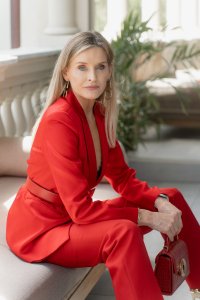
Written by
The Hon. Isobel Kershaw
For Salon Privé